Wall cracks can be worrying. You might have spotted a hairline fracture or a deeper split threatening your home’s structural integrity. If you are thinking about hiring a building contractor for wall crack identification and repair, this FAQ will answer your most pressing questions and help you confidently request quotes.
Why hire a building contractor for wall crack identification and repair?
Wall crack identification and repair may seem straightforward, but it often involves more than just filling cracks. The cause could be foundation settling signs or hidden damp, and a building contractor knows how to assess these complex factors. Attempting a do-it-yourself patch-up might ignore underlying structural integrity issues, which could turn minor cracks into major (and more expensive) problems. With a qualified professional, you gain peace of mind that your home’s stability is properly maintained.
What should I consider before hiring a building contractor?
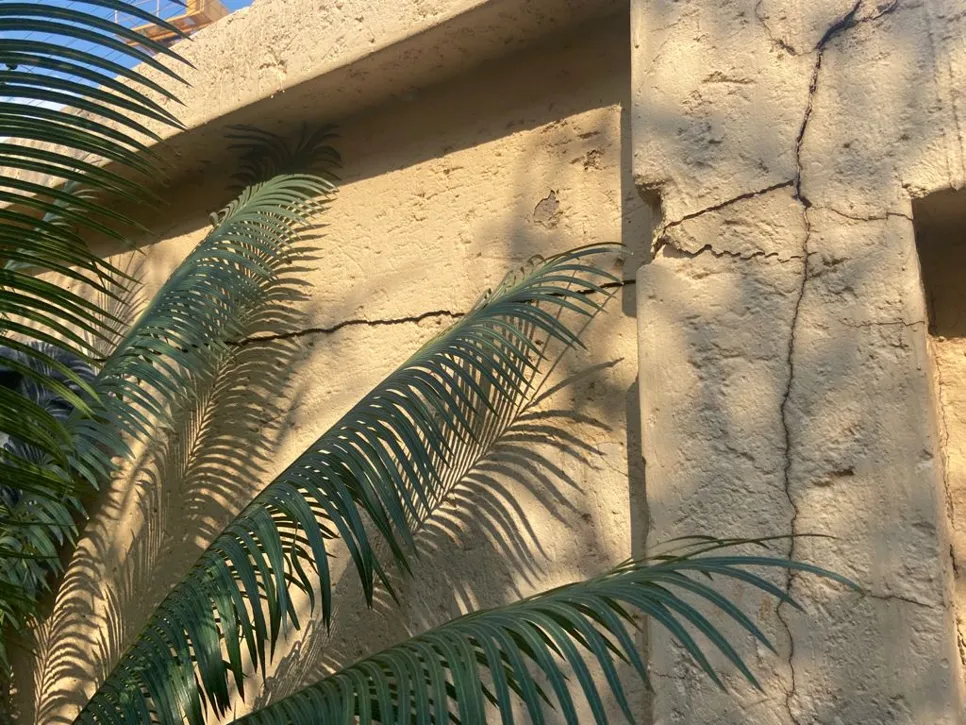
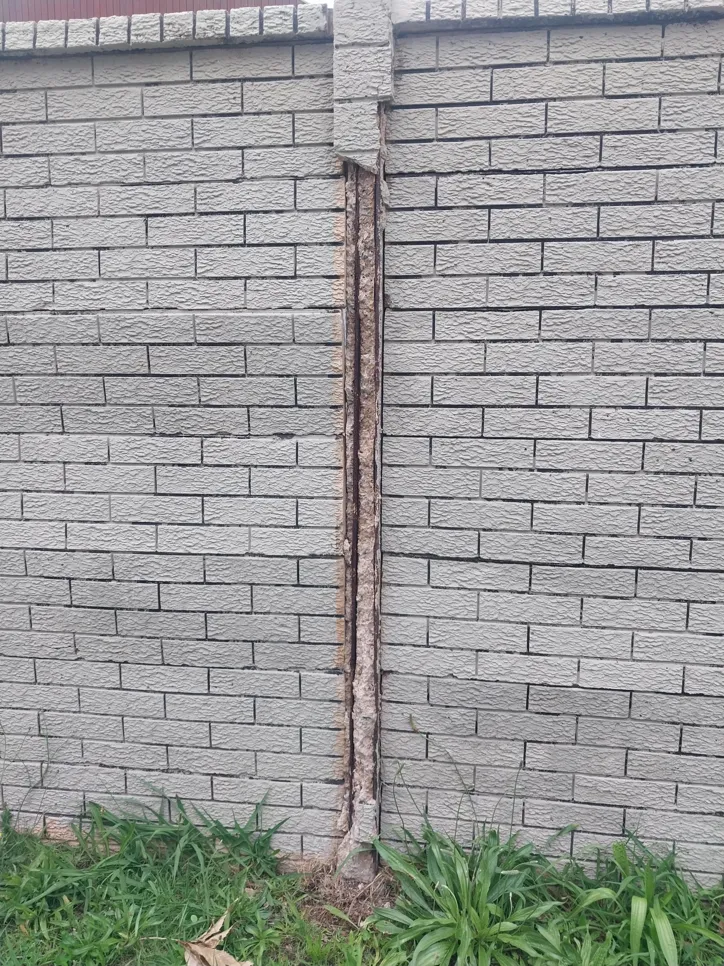
Start by assessing the number and appearance of your cracks — whether they are hairline, vertical, or significantly deep. Note the location of each crack (e.g., exterior walls, internal plaster, near windows). Think about any other warning signs, such as doors sticking or floors slanting, which may indicate structural instability. Taking photos of the cracks for clarity can help you discuss your needs with multiple contractors more effectively. When you reach out through a platform like procompare.co.za, you can easily share these images so prospective pros know exactly what you need.
How do I find and vet potential professionals in my area?
Word-of-mouth is useful — ask friends, family, or neighbours for recommendations. However, online platforms like procompare.co.za speed things up immensely by connecting you with verified professionals. Look for contractors who hold relevant certifications, carry liability insurance, and can demonstrate experience with similar projects. Make sure to ask:
- How many years of experience do you have with wall crack repairs?
- Can you provide references or show examples of similar jobs?
- Do you have insurance to cover any on-site damages?
- Will you inspect my foundations or only repair surface cracks?
- How do you handle unexpected structural issues?
Always compare several quotes before deciding so you can make an informed choice.
What factors influence the cost of wall crack identification and repair, and how do I manage agreements?
Costs vary based on the complexity of the job, the size and severity of the cracks, the materials needed, and labour fees. If the damage is more than skin-deep — for example, if there are concrete cracks exposing rebar or requiring structural reinforcement — that will likewise affect the price. Travel cost, scaffolding, or specialised machinery could also add to the final figure. Check the prices of building contractors.
A thorough quote or contract should include:
- A clear description of the repair scope and method
- Itemised costs for materials and labour
- Projected start and completion dates
- Warranty or guarantee information (if offered)
Note that exceptionally low quotes can be a red flag if the contractor is cutting corners or using substandard materials.

What does the typical wall crack identification and repair process look like?
While every project differs based on your home’s unique needs, you can anticipate:
- Inspection: The contractor investigates the type and extent of your cracks, checking for foundation settling signs or other deeper issues.
- Structural assessment: If needed, an engineer or specialist may be consulted to confirm the best approach to repair and ensure building integrity.
- Preparation: The contractor clears and cleans the crack area, removing any loose debris. You might need to move furniture or cover items near the cracked wall.
- Repair: Using the agreed-upon method (e.g., epoxy injection, cement patching, or redoing part of the wall), the contractor fixes the cracks, paying attention to underlying causes like water damage or poor foundation support when necessary.
- Finishing: The surface is smoothed, primed, and painted or otherwise sealed to match the rest of your wall.
Minor fixes can be done in a day, whereas significant repairs could take a week or more, especially if you need structural bracing or other reinforcements. If unplanned issues arise, the contractor will usually halt the repair, re-evaluate, and then recommend the next steps, keeping you in the loop.
To prepare your home, be sure to:
- Clear the area around the cracks for easy access
- Remove or cover any valuables that might get dusty
- Discuss timing with your contractor to minimise disruption
What should I expect after the project is done?
Once the repairs are complete, the contractor may provide a warranty or guarantee covering the repaired areas. If further cracks appear or you suspect compromised structural integrity, contact your contractor promptly. In many cases, contractors will fix post-repair issues that fall within their warranty terms. It’s also a good idea to keep an eye out for any new settling signs over the following months, just to catch potential problems early.
Taking the next step confidently
By now, you have a solid understanding of what’s involved in wall crack identification and repair. When it’s time to hire a building contractor, remember to compare multiple bids to secure competitive rates and ensure you’re getting the best quality. With procompare.co.za, you can request up to six free quotes at once, often receiving responses within hours. There’s no obligation — simply choose the offer that fits you best and rest easy knowing you’ve done your homework.