Planning to address electrical wiring and panel safety concerns at home? You might be noticing signs such as exposed wiring, a burnt breaker, or a faulty circuit breaker. In this FAQ, we’ll answer crucial questions about hiring an electrician for electrical wiring and panel safety, helping you feel confident about seeking and comparing professional quotes.
Why hire an electrician for electrical wiring and panel safety?
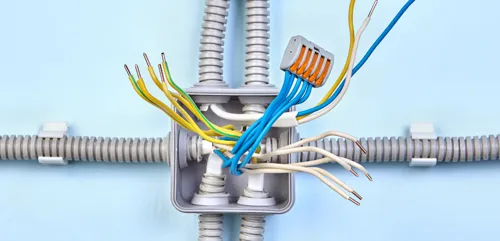
Many homeowners are tempted to handle seemingly small electrical tasks themselves, but a system involving circuit breakers, junctions, and panels can be complex and risky. Incorrect wiring or insufficient panels can lead to overloads, electrical hazards, and even fires. A qualified electrician follows all necessary electrical safety regulations, ensures that wiring connections are secure, and verifies that the panel is equipped to handle your home’s power demand. By hiring an electrician for electrical wiring and panel safety, you minimize potential dangers, save time, and maintain your property’s long-term integrity.
What should I consider before hiring an electrician?
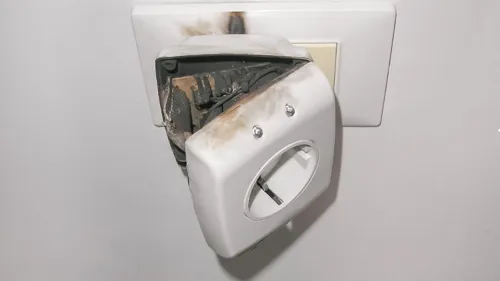
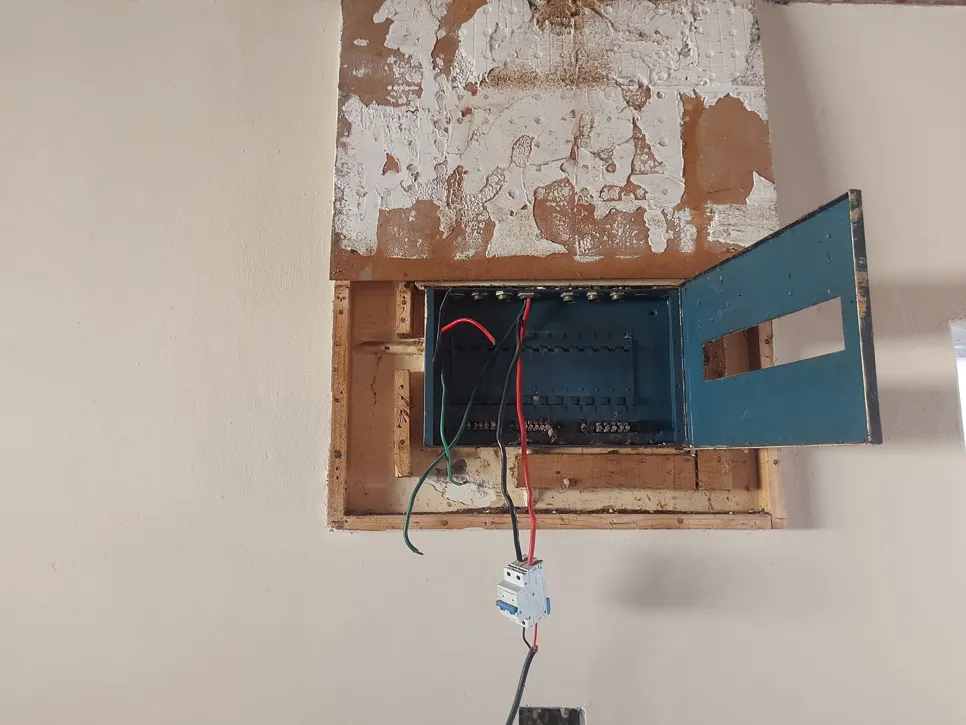
First, assess the details of your electrical issues. Is there visible damage like burnt switches, tangled wires, or an overloaded circuit breaker? Make notes or take photos of these signs to show prospective electricians. It’s also worth listing your priorities—do you need a full rewire, a partial update, or just an electrical panel upgrade? Gathering this information upfront helps you provide accurate details when requesting quotes. If possible, share photographs and descriptions via an online platform like procompare.co.za for a streamlined experience.
How do I find and vet potential professionals in my area?
Word-of-mouth referrals from neighbours or friends can be valuable, but searching platforms such as procompare.co.za speeds up the process. You simply post your job request once, and you can receive up to six quotes—helping you compare different professionals with ease. When reviewing an electrician’s credentials, always confirm:
- Certification: They should hold valid qualifications or registrations with recognised bodies.
- Insurance: This protects you if accidental damage or injury occurs during the job.
- References: Ask for reviews or contact previous clients to confirm reliability.
- Questions to ask electrician: Clarify their experience, timelines, and approach to safety.
Comparing at least three different quotes offers the chance to evaluate service quality, timelines, and recommended solutions for your specific wiring or panel issues.
What factors influence the cost of wiring and panel safety, and how do I manage agreements?
The cost of electrical wiring and panel safety depends on the size of the job, complexity, and materials required. For instance, extensive rewiring in older homes may demand removal of outdated wiring, which adds labour time. New power-hungry appliances might prompt an electrical panel upgrade, affecting both equipment and labour costs. If the electrician has to travel a long distance or use specialised parts, that also influences pricing. Check the prices for home wiring to get a better picture.
When drafting or reviewing your agreement, make sure it covers:
- Scope of work: Details on materials, rewiring needs, or panel replacements.
- Timeline: Estimated start and completion dates.
- Payment terms: Clear breakdown of costs and any deposit required.
- Guarantees: Warranties on parts or service.
Be cautious of unusually low estimates—these might indicate subpar materials or incomplete work that can risk your home’s electrical safety.

What does the typical wiring and panel safety process look like?
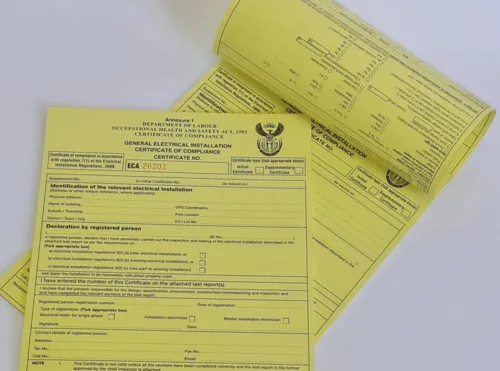
An electrician typically begins by inspecting your current system to identify faulty wiring connections, burnt breakers, or overloaded circuits. They may test your panel to see if it needs replacing or just an upgrade. In a rewiring scenario, the process often involves removing or isolating old wires, installing new cable runs, upgrading circuit breakers, and ensuring everything is compliant with regulations. This may take anywhere from a few hours to a few days, depending on the complexity.
It helps to prepare your home by:
- Clearing access: Move furniture away from walls and switchboards.
- Unplugging devices: Turn off and unplug electronics in the work area for safety.
- Communicating needs: Let the electrician know about specific appliances or future upgrades.
If unexpected issues arise—like hidden damage within walls or corroded connections—the electrician will discuss your options and potential changes in scope. A robust contract reduces surprises, but open communication with your chosen professional is key.
What should I expect after the project is done?
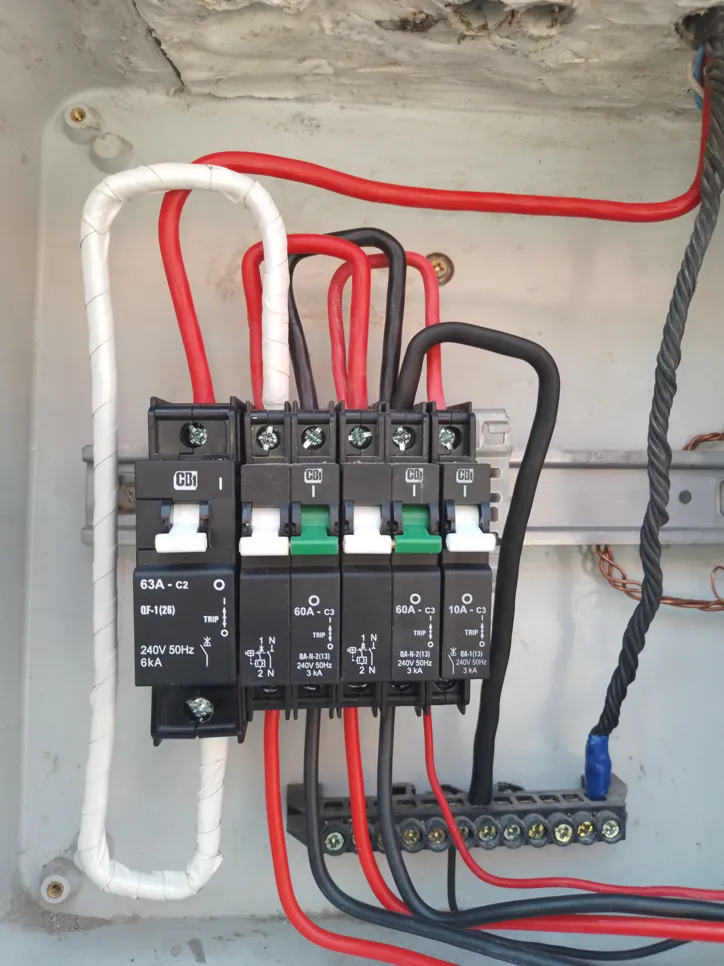
Once the electrician completes the work, they’ll test all circuits, panels, and breakers to ensure everything is functioning properly. Many electricians offer a short-term guarantee on their labour, and some components come with manufacturer warranties. If you notice any flickering lights or strange noises later, reach out promptly for assistance—small issues caught early can prevent bigger problems down the line.
Taking the next step confidently
By now, you understand the importance of hiring a qualified electrician for your wiring and panel safety needs. Comparing multiple quotes from vetted professionals is the smartest way to secure a fair deal and ensure reliable service. With procompare.co.za, you can request quotes quickly and free of charge, receive multiple responses (often within hours), and choose the electrician best suited to your home and budget—without any obligation.
Take that next step and get informed quotes right away. With the tips provided here, you’ll be well-equipped to have open, knowledgeable discussions with potential electricians.