Does it feel like a losing battle trying to keep mould away from your walls or grout? Mould removal can become an urgent priority the moment you spot those dark patches creeping into corners or notice that telltale musty smell. Whether you suspect moisture issues in your bathroom or worry about hidden leaks in your walls, this article will show you how to spot the causes, handle mould growth, and prevent future problems. Ready to reclaim a safe and healthy home?
Common causes of mould removal struggles
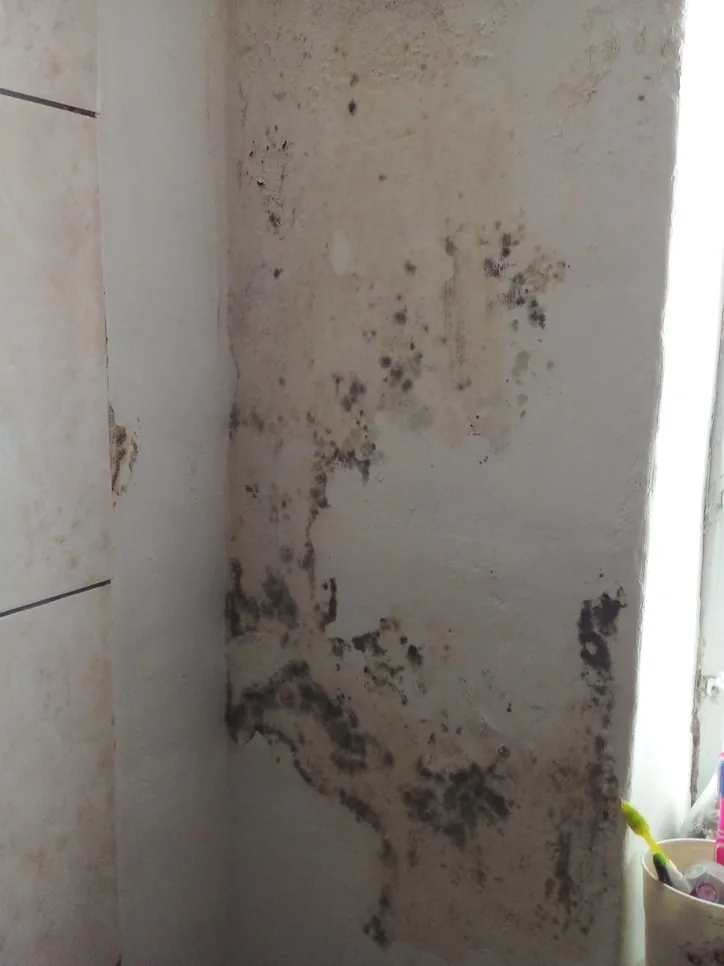
Mould thrives in damp and poorly ventilated areas, so moisture issues are the usual culprits that lead to mould growth indoors. If you’re routinely dealing with black mould along grout lines or a persistent musty odour, chances are there’s a hidden source of water. Below are some of the most frequent causes of mould removal struggles:
- High indoor humidity – Without adequate ventilation, everyday activities like cooking, showering, or drying clothes indoors can generate enough moisture to encourage mould growth.
- Bathroom moisture – Bathrooms are often poorly ventilated, creating a warm and humid environment, perfect mould colonies to form on tile grout or interior wall corners.
- Leaking pipes – Small leaks inside walls or under sinks can go unnoticed for months, causing the surfaces to stay damp and supporting mould’s rapid spread.
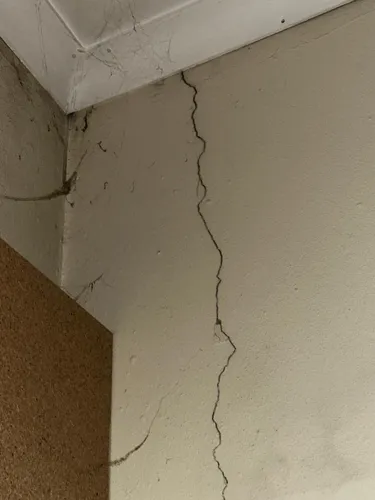
- Water intrusion – Cracks in your roofing or foundation might let water seep into your home, soaking drywall, insulation, or wood framing where mould can flourish.
- Condensation – Indoor temperature differences can cause condensation on cooler surfaces like windows, metal frames, or cold walls, triggering moisture problems over time.
When you consider these causes, it’s clear that spotting minor moisture damage signs early is key to preventing severe mould infestations. Otherwise, mould issues can take on a life of their own—leading to costly repairs and health hazards.

What happens when mould removal is postponed
- Structural damage – Over time, mould compromises drywall and wooden beams, weakening your home’s structural integrity.
- Health concerns – Mould spores can cause nasal congestion, coughing, or eye irritation. Prolonged exposure can worsen allergies and respiratory problems, especially if you’re dealing with black mould.
- Unpleasant odour – The musty smell often intensifies, making your living space uncomfortable for family and guests.
- Escalating costs – The more mould grows, the more extensive and expensive mould removal or renovations become, especially if you have to repair extensive moisture damage.
If ignored, bacterial growth mingles with mould, turning your home into a breeding ground for unhealthy conditions. Tackling mould now can save you a great deal of trouble and expense later.
Practical mould removal and prevention tips
1. Quick DIY fixes
Identify and dry the area. Locate the mouldy spots and soak up any visible moisture using towels or a wet vacuum. Use a fan or dehumidifier to remove excess humidity. Ensure you wear protective gloves, goggles, and a mask to limit mould spore exposure.
Clean non-porous surfaces. For small mould patches on tile grout or sealed surfaces, use a mixture of water and mild detergent or vinegar. Scrub lightly with a brush, but be cautious not to spread spores beyond the infected area. Afterward, rinse and dry thoroughly.
Check for hidden leaks. Look under sinks, behind appliances, or along pipework for any drip or rust signs. Early detection is crucial, so schedule professional water leak detection if you suspect a bigger underlying moisture problem.
Give these steps a try if you’re dealing with mild mould growth. However, remember that serious mould infestations often lurk behind walls or under floorboards.
2. Professional mould removal for severe cases
Assessment and containment: Specialists use advanced tools to pinpoint the exact location of mould, often locating hidden moisture sources. They then seal off the affected area, so mould doesn’t spread through the air during removal.
Removal and clean-up: Damaged materials—like saturated drywall—are safely discarded, reducing the risk of spores left behind.
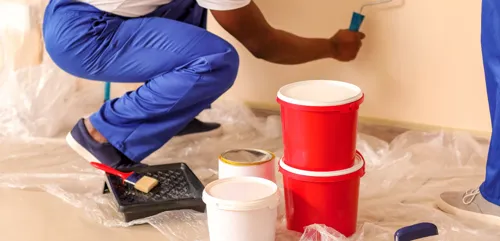
Deep cleaning and treatment: Expert painters apply antimicrobial solutions to affected areas, removing invisible mould spores. This ensures a thorough job that typical household cleaners can’t achieve.
3. Mould prevention tips
Improve ventilation. Regularly air out bathrooms, kitchens, and basements by opening windows or running exhaust fans. Proper air circulation stops water droplets from lingering on surfaces.
Monitor indoor humidity. Aim for 40–50% humidity. Use a hygrometer to keep track, and run a dehumidifier if levels exceed the recommended range.
Water leak detection checks. Small leaks often go unnoticed. Schedule routine inspections, especially in older homes. A proactive approach helps you find moisture damage signs before they escalate.
When to call a professional:
- The mould covers an area larger than one square meter
- Water stains appear on ceilings or walls
- You have ongoing respiratory symptoms or allergies
- You suspect hidden leaks behind walls or under floors
Take action now and reclaim a healthy, mould-free space. It’s easier—and cheaper—than you might imagine once the real cause is identified and fixed.
Transform your space by eliminating mould
Beyond avoiding expensive repairs and potential health concerns, timely mould removal drastically improves your daily comfort. Instead of constantly worrying about that musty aroma or worrying that mould might spread behind the walls, you can relax in a clean, fresh environment.
When necessary, don’t hesitate to call an expert painter — you’ll breathe easier knowing your home is safe and sound.