Are you noticing unexplained puddles on your bathroom floor or damp patches around your toilet? A bathroom water leak can spread quickly and affect everything from your flooring to your walls. It’s costly if ignored, but with the right knowledge and steps, you can fix or prevent further damage and get your bathroom back to normal.
Common causes of a bathroom water leak
Hidden leaks can start off small, but can create significant problems in a relatively short time. Below are some of the most common culprits to investigate:
- Faulty toilet seal or gasket: Over time, the wax ring or rubber gasket under your toilet can degrade, resulting in a toilet leak that causes water to seep around the base.
- Leaking bathroom fixture: Faucets, showerheads, or sink drains can develop tiny cracks or worn-out washers, setting off gradual drips and bathroom dampness.
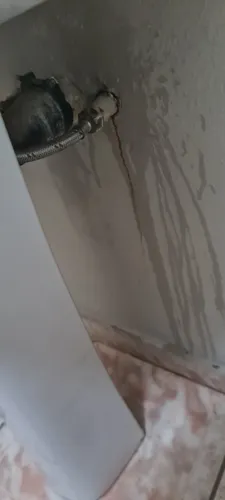
- Valve integrity issues: The water supply valve or the drain valve may have loosened or cracked. This often shows up as slow dripping under the sink or near the toilet.
- Water pressure problems: Excessive pressure can strain pipes and fittings, leading to unexpected water leaks behind walls or within concrete floors.
- Damaged seals around the bathtub or shower: Cracked caulking and grout can allow water to penetrate the walls or floor, creating bigger moisture issues over time.
Regardless of the root cause, identifying where your bathroom is leaking can save you from mold, rot, and expensive repairs down the line.
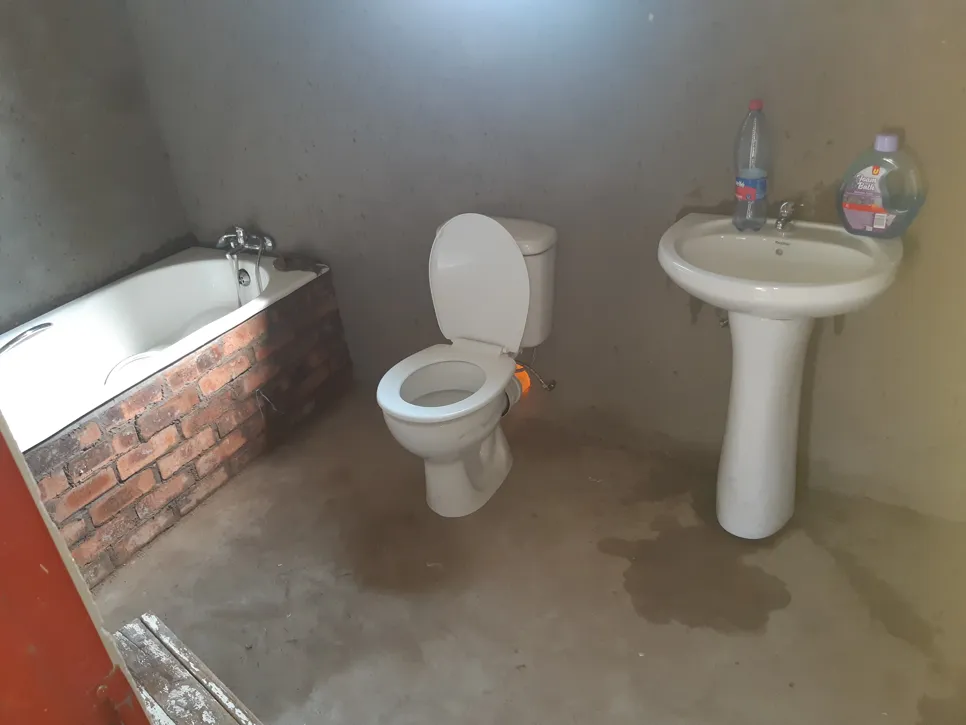
Sometimes, it takes an expert to pinpoint the exact source, especially if the leak is hidden inside a wall. Still, it’s crucial to know what’s at stake if you stall on fixing a leak.
Potential consequences of unresolved bathroom water leaks
- Structural damage: Continual exposure to moisture can weaken floorboards, walls, and even the home’s foundation.
- Mould and mildew growth: Damp, enclosed spaces are a breeding ground for mould, posing health risks for people with allergies or respiratory issues.
- Escalating repair costs: Leaving a leak unaddressed can mean rising water bills or major renovations later on—such as replacing rotted subfloors.
- Unpleasant odours and stains: Lingering dampness and constant wet patches can produce bad smells, watermarks, and peeling paint.
When it comes to leaks, sooner is always better. If you’re suspecting a leak but you’re short on time or expertise, finding local professionals you can trust is the best solution.
Before you panic, let’s look at some do-it-yourself steps, along with professional solutions to remedy or prevent further damage.
Practical solutions for fixing a bathroom water leak
1. DIY fix for minor leaks
Materials and Tools: replacement washers or seals, adjustable wrench, sealant, plumber’s tape, sponge, buckets, towels
- Shut off the water supply: Turn the supply valve clockwise and flush or run faucets until water flow stops. This will prevent flooding as you work.
- Inspect fittings and seals: Check the toilet’s wax ring condition, the sink’s P-trap, and the water supply lines for any visible cracks or moisture signs. Tighten loose connections gently with an adjustable wrench.
- Replace worn parts: Swap out damaged washers or O-rings. If the wax ring around your toilet is compromised, remove the toilet carefully, replace the ring, and reset the toilet securely.
- Apply plumber’s tape or sealant: Wrap connecting joints with plumber’s tape to enhance valve integrity. Use a silicone sealant along edges of the sink and shower where you suspect gaps or cracks.
- Test and observe: Turn the water back on and observe for fresh leaks. Check around the seals and gaskets for any continued dripping.
Be mindful not to overtighten fittings — you might cause new leaks or crack the pipes.

2. Professional solutions for advanced water leaks
If you’re facing complex plumbing issues or repeated leaking, it might be time to call a pro. A qualified plumber can use specialised equipment to detect hidden line failures or hairline pipe cracks behind walls. They can also replace any corroded pipes or valves, ensuring a permanent fix. Complex problems like broken drain pipes or a leaking subfloor typically need dedicated know-how and advanced tools.
Step-by-step professional approach:
- Leak detection: Pros use acoustic sensors or infrared cameras to locate the exact source of leakage, even if it’s under concrete floors.
- Part replacement: They’ll remove worn valves, broken seals, or damaged sections of piping and install new, durable components.
- Sealing and testing: All joins and fixture connections are sealed securely. Finally, they will test the system to confirm no further leaks remain.
- Clean-up and restoration: Professionals also minimise the mess, typically ensuring your bathroom is clean and tidy when the job is done.
When to call a professional
- Water stains or dampness that keep returning despite multiple DIY fixes
- Increased water bills with no obvious cause
- Unusual noises in pipes (whistling, rattling) or a sudden drop in water pressure
- Visible cracks in walls or flooring around fixtures
- Strong musty odours that signal mould growth
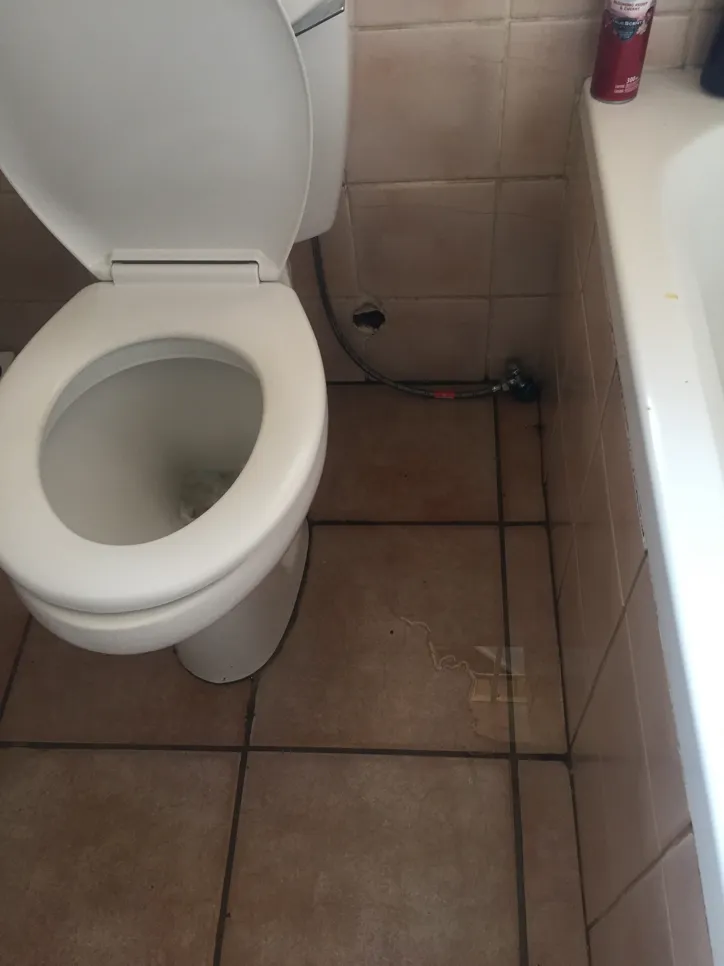
Calling in an expert plumber for bathroom water leaks not only ensures a comprehensive solution but also saves you money over time by preventing bigger complications.
A parting tip for better peace of mind
Bathrooms are prone to leaks, so regular spot checks are worth the effort. Monitor exposed valves, fixtures, and floors for early signs of trouble, and address concerns at the first sign of moisture. By staying proactive, you’ll prolong the life of your fixtures and maintain a safe, hygienic environment.