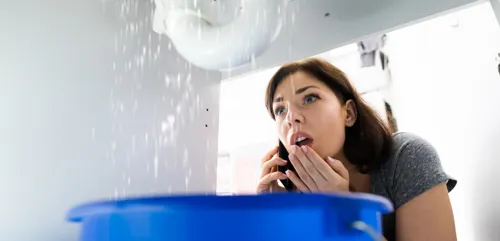
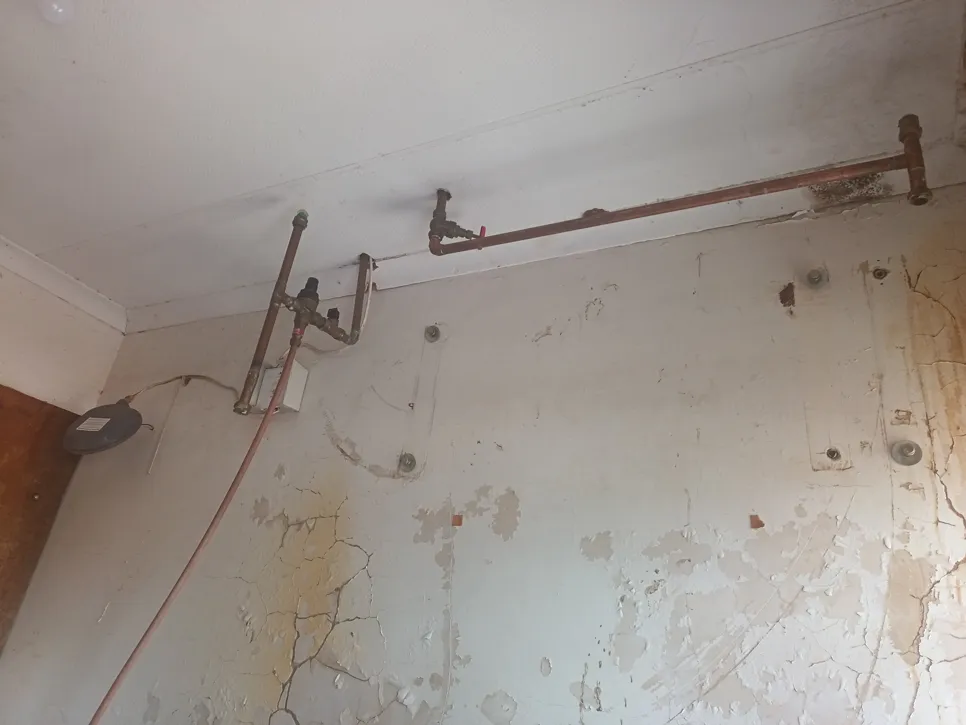
Exposed plumbing and wall damage can be worrying, especially if you’re noticing peeling paint or corroded pipes in your bathroom. You may be wondering about hiring a plumber, but you’re unsure where to start. In this FAQ, we’ll address your common questions, so you can feel confident when requesting quotes and planning your project.
Why hire a plumber?
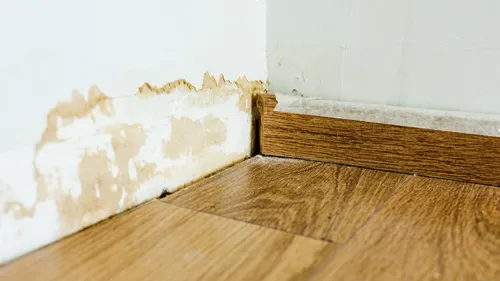
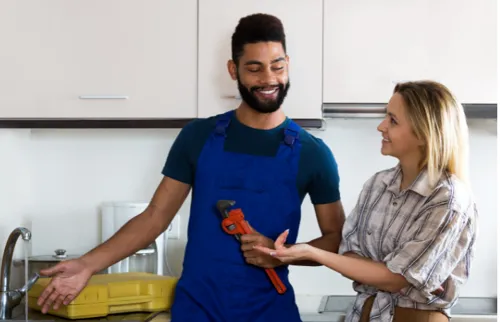
Plumbing pipes can deteriorate over time, leading to leaks, peeling paint, and potential structural issues. While quick fixes might seem tempting, do-it-yourself approaches often overlook hidden pipe corrosion or wear beneath walls and tiles. A qualified plumber will have the right skills, tools, and know-how to safely repair any leaks or damage, ensuring the problem doesn’t reoccur later. You’ll save money and avoid more extensive repairs in the long run by relying on professional expertise.

What should I consider before hiring a plumber?
First, identify the exact areas where pipes are exposed or where you suspect leaks. Check for tile damage, wall cavities, or peeling paint – these signs might indicate underlying water damage. Gather any existing photos of corroded or missing pipes, as well as notes on when you first observed the issue. This information will help you describe the situation accurately when contacting a professional. If you use a platform like procompare.co.za, detailed photos and descriptions make it much easier and quicker for homeowners and plumbers to connect and arrange an on-site inspection.
How do I find and vet potential professionals in my area?
You can begin by asking friends and neighbours for recommendations or exploring online platforms. Websites like procompare.co.za simplify this task, connecting you to multiple plumbers in your local community. When you shortlist potential contractors, verify that they are licensed or accredited with industry bodies and have adequate insurance coverage. You should also ask about relevant experience and request references or examples of past work.
- Experience: Ask how long they’ve been handling plumbing repairs.
- Insurance: Verify if they have comprehensive cover for damages or accidents.
- Project scope: Enquire whether they can manage both the plumbing and any associated wall or tile restoration.
- Guarantees: Find out if they provide warranties on materials or labour.
Collecting multiple quotes will help you compare different approaches and costs for your exposed plumbing situation. Be wary of extremely low-priced offers that might skip important repair steps.
What factors influence the cost of plumbing and wall repairs?
Several key elements affect the total expense of your project. The complexity of pipe wear, the amount of tile or wall damage, and the need for specialized labour can all influence quotes. Some plumbers factor in travel distance or after-hours service rates if the work must be done urgently. Always look for a detailed quote or contract that specifies:
- Labour costs: The labour charge per hour or project share.
- Material costs: Any new pipes, fittings, or tiles needed.
- Timeframe: How long the repair period is expected to take.
- Warranty: Any guarantee on the work done.
If you want to see rough price ranges, you can check the prices for plumbing repairs . Different plumbers may use varying materials or approaches, so quotes can vary widely. In these cases, comparing professionals is particularly important, ensuring that both quality and affordability are balanced.
What does the typical repair process look like?
Once you’ve selected a plumber, they will usually carry out a thorough inspection, checking for pipe corrosion, potential water leaks, and wall or tile damage. Here’s a brief overview of how things generally proceed:
- Assessment: The professional locates all exposed or damaged plumbing, identifies hidden leaks, and looks for signs of mould or rot.
- Preparation: The area around the damage is cleared of any items that could be affected, and any wet spots are dried as much as possible.
- Repairs or replacements: The plumber repairs existing pipes or replaces severely corroded lines. Any damaged tiles or wall sections are addressed, and new materials are installed as needed.
- Testing: The water supply is turned back on, ensuring there are no leaks or hidden issues.
- Finishing touches: Walls are patched, rough finishes are smoothed out, and if necessary, tiles are replaced or regrouted.
How long does a typical repair take? Depending on the extent of the damage and the availability of materials, most small to medium plumbing repairs can be completed within a day or two. Major replacements or substantial wall damage might demand more time.
How to prepare your home for repairs? You can remove or cover nearby furnishings to protect them from dust or debris. Keep pets and children away from the work zone to avoid accidents. Ensure that the plumber has clear access to shut-off valves and any other plumbing-related areas.
If any unexpected problems surface, your plumber will likely discuss the changes with you and update you on extra costs before proceeding.
What should I expect after the project is done?
As soon as your plumber completes the job, they should test and verify that the new or repaired pipes function correctly. Many reputable contractors offer warranties on both materials and workmanship, covering you if issues arise later. If you notice any leaks, unusual sounds, or persistent dampness, contact your plumber as soon as possible to rectify the issue under the terms of their guarantee.

Taking the next step confidently
Now that you have a clearer idea of the process for exposed plumbing and damage repairs, you’re in a great position to reach out to a trustworthy professional. Remember that a quick and easy way to do so is by using procompare.co.za . With just one request, you can get up to six free quotes from verified plumbers in your area, plus read genuine user ratings and reviews. No obligations, no hidden costs.
Take the time to compare quotes, evaluate different offers, and make an informed decision. The right professional will handle your repairs effectively, preventing further damage and preserving your home’s safety and structure.