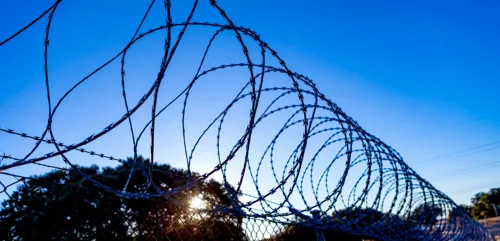
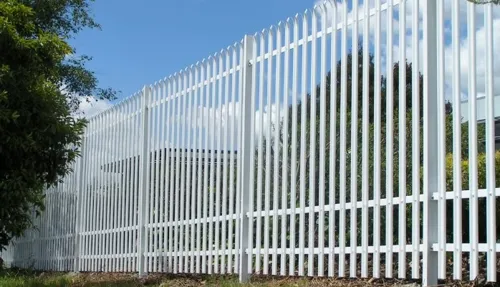
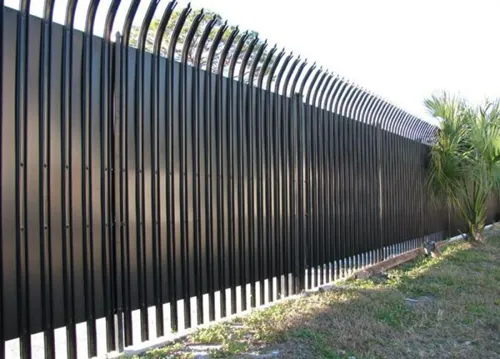
Palisade fence troubles can come out of nowhere—one day your fence is perfect, and the next, you spot bent metal, blocked gates, or pesky tree branches hindering security. If your fence misalignment or damage is driving you crazy, read on. You’ll learn the causes of these metal fence problems, plus practical fixes to protect your home or business.
Causes of metal fence damage and misalignment
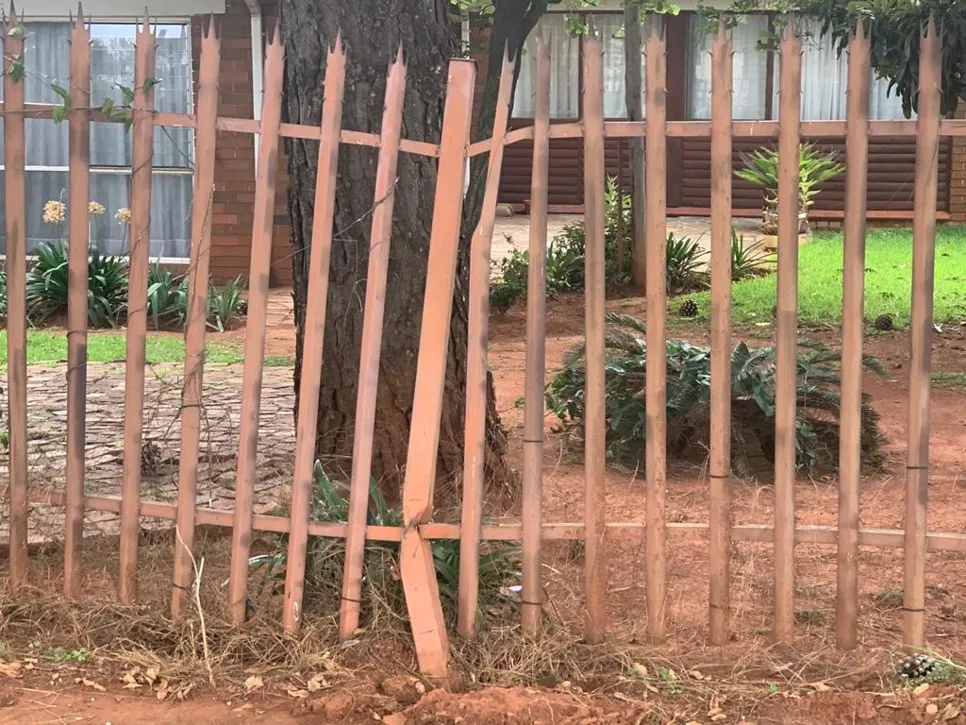
- Tree growth impact on fence: Roots and branches can push, bend, or crack the metal. You might see warped palisade sections or a misaligned gate when trees are too close to the fence line.
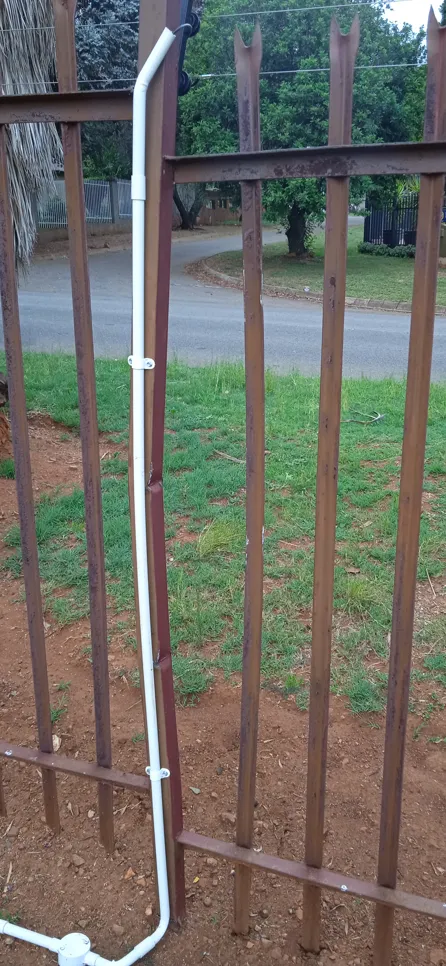
- Corrosion and rust: Over time, metal parts can corrode—especially if the paint or galvanizing wears off. Rust weakens the fence structure and creates bent or damaged areas more prone to breaking off.
- Accidental impact: A car nudging your gate or a piece of equipment knocking into the fence can bend panels, especially where joints are weakest.
- Improper installation: A palisade fence that wasn’t properly levelled or anchored is more likely to shift, leading to loose, crooked, or bent edges.
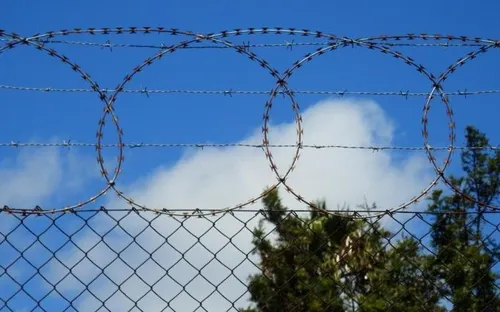
- Excessive weight or attachments: Barbed wire security features or conduit attachments can strain fence posts if they weren’t designed to carry extra weight.
- Soil movement: Seasonal changes, flooding, or poor drainage can cause the ground to heave, pushing the fence out of alignment.
Overlooking these causes could mean small issues gradually morph into serious security problems. Next, let’s explore what can happen if you delay metal fence repair.
Why ignoring palisade fence repairs can be risky
Leaving bent fencing or a damaged metal gate unchecked leads to much bigger headaches later on. Here’s what you can expect if you let the problem slide:
- Compromised security: Gaps, breaks, and misalignments create an open invitation for trespassers and intruders.
- Worsening structural issues: Minor damage can spread when the fence is exposed to more stress, making repairs more complicated—and costlier—later.
- Inconvenient obstructions: A twisted or obstructed gate makes daily use frustrating, especially if vehicles or machinery need a clear path.
- Potential liability: If parts of your fence fall or cause injury, you could be responsible for damages or medical costs.
- Aesthetic decline: A neglected, rusted fence communicates poor maintenance, which can diminish your property’s curb appeal.
If your fence is showing signs of damage, consider addressing it sooner rather than later. That way, you avoid more expensive repairs, keep unwanted visitors out, and enjoy the comfort of a secure property.
Effective solutions for a damaged metal fence
1. DIY quick fixes
Bending minor deformations back into place:
If your palisade fence or gate has a slight bend, try straightening it with simple tools. Gather a sturdy mallet, a pair of work gloves, and a block of wood. Gently tap the bent metal against the block to reshape. Watch out for paint cracking—exposed areas should be coated with metal primer to prevent rust.
Clearing tree interference:
Identify the branches pressing on your fence. Use pruning shears or a handsaw to trim them away, but don’t cut too close to the boot. Leave a small stub to protect tree health. Avoid using axes or power tools carelessly, as you could damage the fence further.
2. Professional palisade fence repair
If you suspect underlying structural issues, it’s wise to hire an expert. A professional might need to weld broken joints, replace worn panels, or remove large, intrusive tree roots. Here’s an overview of how they may tackle it:
- Inspection and measurement: They’ll assess the fence’s alignment, note bent or corroded sections, and plan the repair approach.
- Removal of damaged components: Any severely weakened parts—like panels, posts, or hinges—are taken out for replacement.
- Welding and reinforcing: A pro will weld cracks or breaks in metal, so the fence regains stability. If extra reinforcements are needed, they can add braces or support bars.
- Treatment and rust-proofing: Repaired or replaced areas are coated with a primer, rust-inhibiting paint, or galvanizing spray for lasting protection.
- Reinstallation: Finally, the fence is reassembled, ensuring each piece is properly aligned for a secure, neat finish.
When to call a professional
- Your fence has large cracks, holes, or fractures.
- The fence base is unstable due to shifting soil or rotting posts.
- Bending or warping affects multiple panels, or your gate doesn’t open smoothly.
- You suspect electrical, or plumbing lines may be interfering with the fence.
- The damage extends into neighbouring properties or shared boundaries.
Benefits of professional fencer service
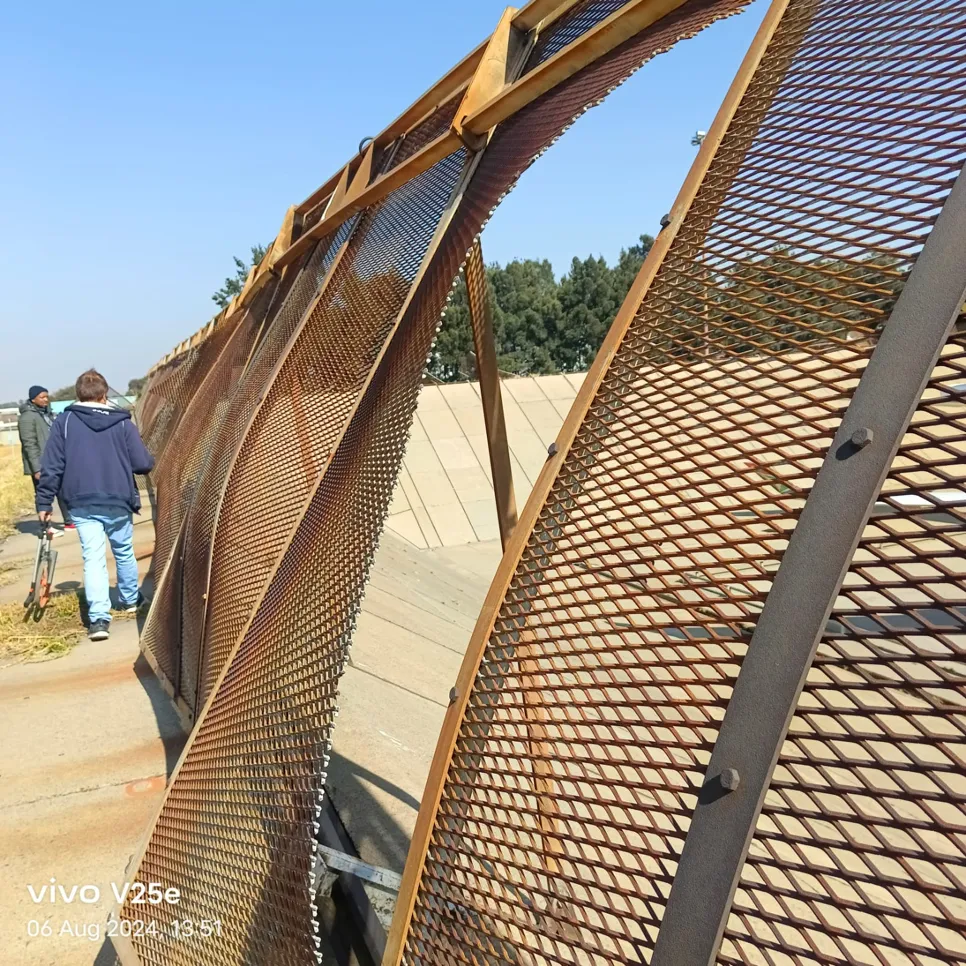
Professionals have specialised tools, like heavy-duty welding machines and precision grinding tools, to make the job faster. They know how to scope out hidden problems—like rust creeping under paint or poorly set posts—while ensuring minimal disruption. You’ll receive peace of mind with a guarantee on completed work, plus a stable, secure enclosure that stands up to daily wear.
Ready to tackle your fence issues but need a trusted pro? You can find reputable contractors in your area to assist. Avoid headaches and get your property back to top condition.
Moving forward confidently
At the end of the day, a well-maintained palisade fence adds both security and style to any property. Don’t let bent panels or encroaching tree branches derail your peace of mind—take action now.
Bonus tip for lasting results
Try scheduling an annual fence inspection or repaint job. It’s an easy way to spot minor concerns like rust or loose fittings before they develop into bigger problems. A little proactive check each year achieves a stronger, more enduring fence–keeping you safe and your property looking sharp.