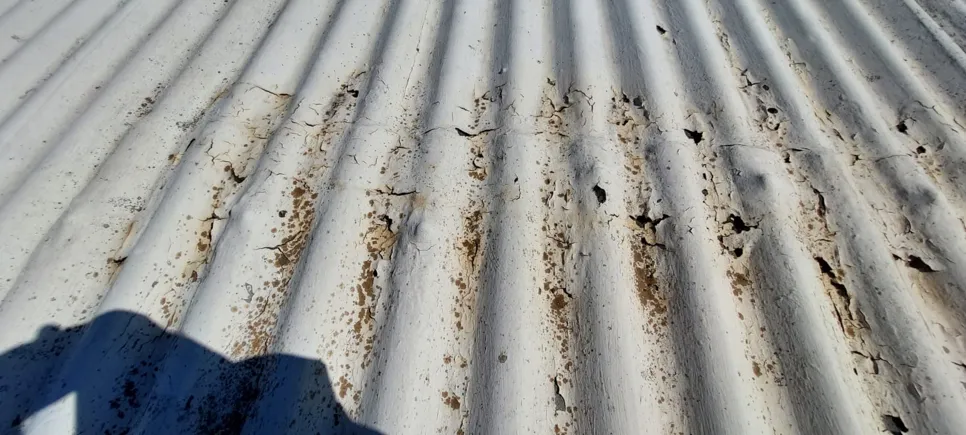
Is your metal roof showing signs of bright orange or brownish spots and flaking edges? That’s classic metal roof corrosion. Besides looking bad, those rusty patches threaten your home’s structural integrity. If you’re worried about leaks, roof maintenance headaches, or the cost of repairs, this article is for you. We’ll highlight the common causes, potential consequences, and practical solutions to help you protect your corrugated roof from rust damage and avoid expensive repairs.
Top causes of metal roof corrosion and rust damage
Corrosion on a metal roof doesn’t happen overnight. It often stems from smaller problems left unchecked. Here are some common causes of rust damage on corrugated roofs:
- Exposure to moisture: Prolonged contact with rain, humidity, or standing water accelerates metal roof corrosion. Over time, moisture seeps through tiny cracks, causing rust to form.
- Improper installation: If the corrugated roof wasn’t installed correctly, water might pool in low areas. This not only speeds up oxidation but can also compromise the roof structure.
- Lack of regular roof maintenance: When leaves, debris, and dust accumulate on metal roofing panels, the trapped moisture promotes rust formation.
- Unsuitable coatings or no coatings: Metal roof panels need quality protective coatings to keep corrosion at bay. If the coating fails or wears off, your corrugated roof becomes more vulnerable to rust damage.
- Salt-laden air (coastal regions): In coastal areas, salt particles in the air can corrode metal surfaces more quickly, especially when combined with high humidity.
Left untreated, these minor issues can lead to bigger, more expensive repairs. Paying attention to the signs and causes can save you time, money, and stress down the line.
Why ignoring metal roof corrosion leads to worse problems
Not addressing rust damage or corrugated roof damage promptly can cause trouble in both the short and long term. Here are some potential consequences:
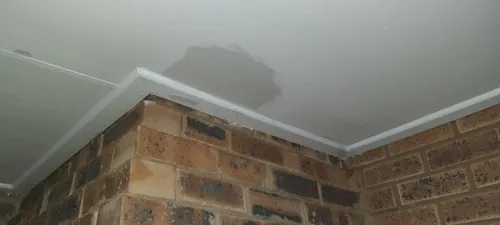
- Leaking and water damage: Corroded panels or loose seams allow water to seep in, leading to leaks that affect ceilings, walls, and even electrical wiring.
- Higher energy bills: A damaged roof struggles to insulate properly, leaving you with fluctuating indoor temperatures and increased energy costs.
- Costly structural damage: Advanced corrosion and heavy rust can weaken roof supports and allow moisture to penetrate deeper into the home’s foundation.
- Reduced property value: Rust and corrosion on a visible metal roof can drive down the overall value of your property.
Avoiding or delaying repairs can escalate problems, turning a simple fix into a major roofing project.
Below, you’ll find actionable steps to fix rust damage, prevent future corrosion, and learn when it’s time to hire a professional for safe, long-lasting solutions.
Practical ways to fix and prevent corrugated roof damage
When dealing with metal roof corrosion, you can try do-it-yourself fixes for minor problems, but more complicated issues often require expert help. Here’s how to tackle this step by step:
1. DIY roof rust removal and patching
For small areas of rust damage, here’s what you need:
- Gather your supplies: A wire brush, sandpaper, rust converter (available at hardware stores), roofing patch kit (or metal sheets), and protective gloves.
- Clean the area: Use a wire brush to remove loose rust flakes. Then sand the area to achieve a clean metal surface.
- Apply rust converter: This special product reacts with rusty spots to seal them and stop further corrosion.
- Patch if necessary: If there’s a hole or a deep pit, follow the patch kit instructions. Often, you’ll cut a piece of metal to size, secure it with adhesive or screws, then seal it.
- Paint or coat: After the patched area dries, finish with a roof-grade primer and protective paint to keep moisture out.
Pitfall to watch out for: Skipping proper cleaning or skimping on primer can cause corrosion to reappear. Carefully follow each step to avoid recurring rust.
When attempting DIY rust removal on your corrugated metal roof, always prioritize your safety first.
Before climbing up, assess your comfort with heights, ensure you have proper safety equipment like a secure ladder and non-slip footwear, and consider hiring a professional if the roof is steep, wet, or you're uncertain about working at heights.
2. Improve roof drainage and safety
Standing water is rust’s best friend. Ensuring proper drainage will make a noticeable difference. Check that gutters aren’t clogged, drainage slopes aren’t blocked, and that no nuts or bolts are missing. Regular roof maintenance saves both hassle and money.
3. Seasonal metal roof inspection
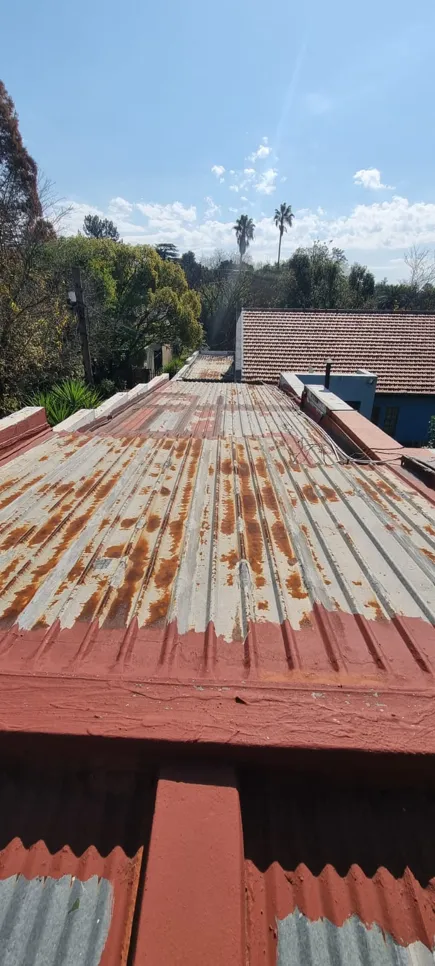
This is the perfect time to spot any rust damage early on. Twice a year, examine every roofing panel, seam, and joint. If you notice bubbling paint or brownish streaks, investigate promptly.
4. Professional repair and advanced treatments
If the rust patches are large or if the corrugated roof damage extends into deeper layers, hiring a specialist is the safest option. Professionals use high-grade tools and materials to remove damaged panels, repair the roof structure, and apply weather-resistant coatings. This can extend your roof’s lifespan by years.
When should you call a professional roofer?
- Rust damage covers a large portion of the roof
- Leaks have already affected your interior
- The structural integrity is questionable
- You’re uncertain about ladder safety or proper sealing techniques
Working with a roofing expert can give you peace of mind, ensuring the job is done efficiently and correctly. Try sanding, refinishing, and sealing solutions on your own for small spots, but trust the pros when repairs demand an expert’s touch.
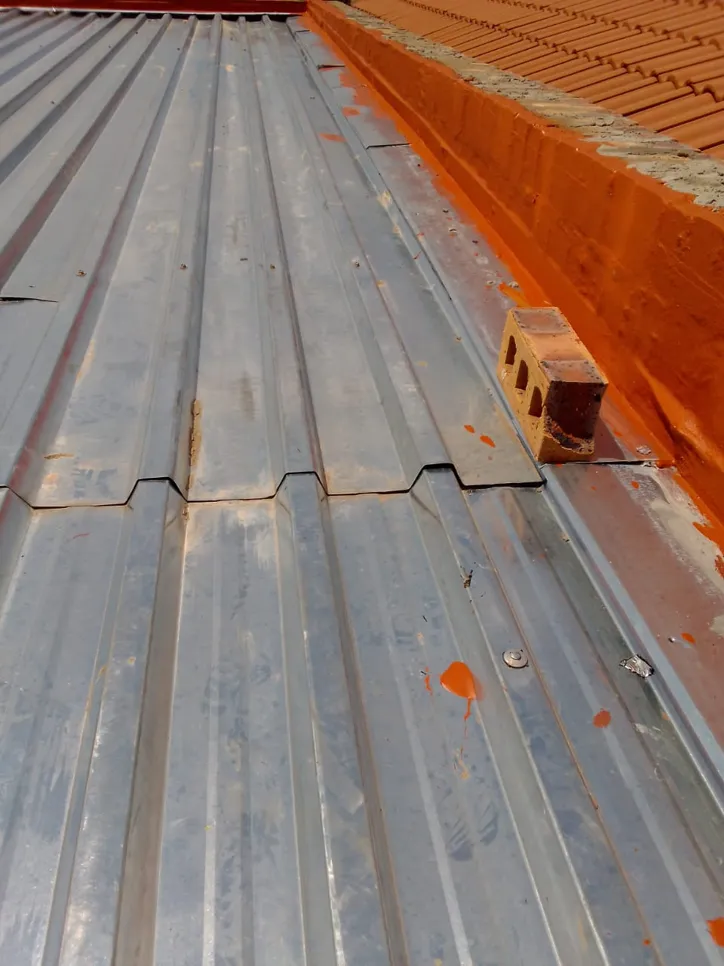
Extra tip: Ask your roofing contractor about rust prevention coatings that are extra tough, especially if you live in humid or coastal areas.
Your path to a rust-free metal roof doesn’t have to be stressful. Take these steps to protect your investment. Should you need more help, you can count on professional roofers to eliminate rust damage and keep your corrugated roof looking and functioning at its best.