Thatch roof repair often becomes urgent when you notice loose reeds or damp spots. If you worry about leaks or structural integrity, keep reading. We’ll help you confirm if your thatch roof is indeed compromised and suggest immediate steps to tackle the problem effectively and avoid long-term issues.
Common causes of thatch roof damage and what to look for
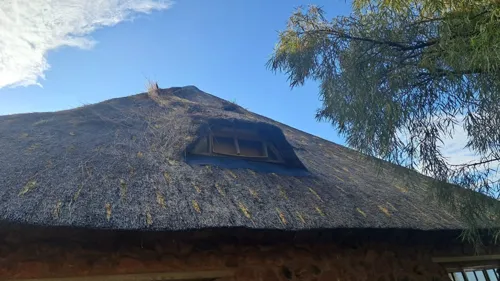
Thatch roof damage isn’t always obvious until serious roof wear sets in. Understanding the main causes gives you a clear starting point for thatch roof maintenance, whether on your main home, outdoor gazebo, or any other thatched structure. Here’s what often leads to trouble:
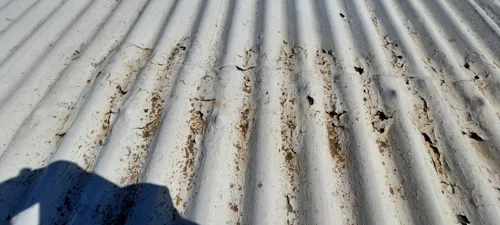
- Weather and moisture: Harsh rain, strong winds, and humidity can gradually weaken the thatch, creating vulnerable spots and allowing water to seep through. Over time, excessive moisture may cause rot and mould.
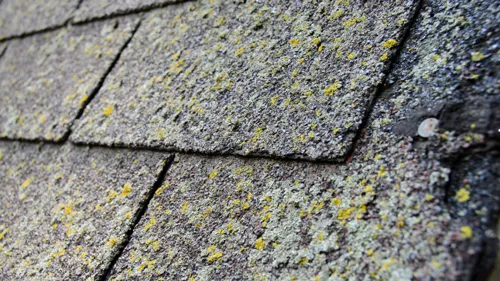
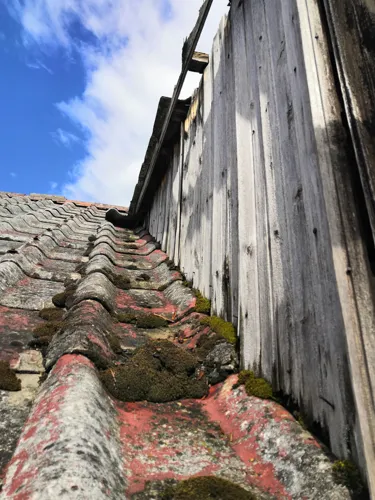
- Overgrown vegetation: Branches or climbing plants that rub against the roof degrade the integrity of the thatch. Moss growth similarly retains moisture, encouraging fungal activity that damages reeds.
- Animal or bird interference: Birds or rodents sometimes pull out or displace strands of thatch to build nests, leaving gaps and exposing underlying layers.
- Incorrect installation: If the original thatching wasn’t done correctly, you may spot bald patches or uneven edges early on. Poorly formed ridges and underlayers can trap rainwater instead of driving it away.
- Neglected upkeep: Skipping routine inspections or basic gazebo maintenance leads to small problems becoming critical roof damage. Paying attention can avert costly, large-scale rethatching.
When these causes go unchecked, they compromise not only the thatch texture but also the roof edge integrity and your overall rain protection. Even seemingly minor damage can escalate, risking greater water damage or mould growth if left unresolved.
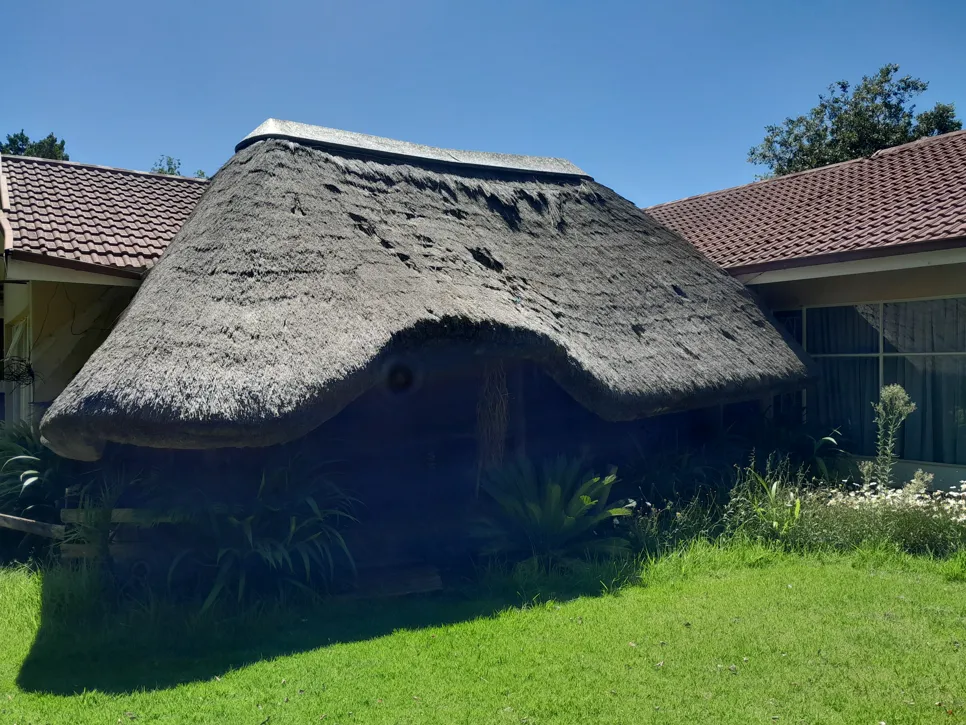
Once you identify any of these causes in your roof, consider whether you can manage quick fixes yourself or need trusted expertise. For wider structural issues or severe wear, you’ll likely need professional help.
Why ignoring roof damage is risky
Some people dismiss minor thatch roof issues, believing that occasional drips or a thinning patch is harmless. Unfortunately, failing to act can result in the following:
- Increased water damage risk: Small leaks or weak spots can let in rain, rotting the thatch layers and supporting timbers.
- Higher repairs cost: Minor roof damage expands quickly if neglected, pushing up the price of rethatching or overhauling the supporting structure.
- Compromised insulation: Thatch helps maintain a comfortable indoor temperature. Gaps or reduced thickness can lower insulation performance and spike energy costs.
- Structural concerns: Waterlogged or rotting beams may jeopardise your roof’s overall strength. This risk can be amplified in a thatched gazebo or outdoor structure, where repeated exposure to the elements can accelerate damage.
By staying vigilant and addressing small glitches, you avoid bigger hazards and ensure the longevity of your thatched roof.
Practical solutions for thatch roof repair and upkeep
If you’re facing thatch roof damage, there are several paths to restoring your roof’s look and function. Certain fixes are quick, while others call for more in-depth thatch roof maintenance or the support of a professional. Below is a breakdown of your options:
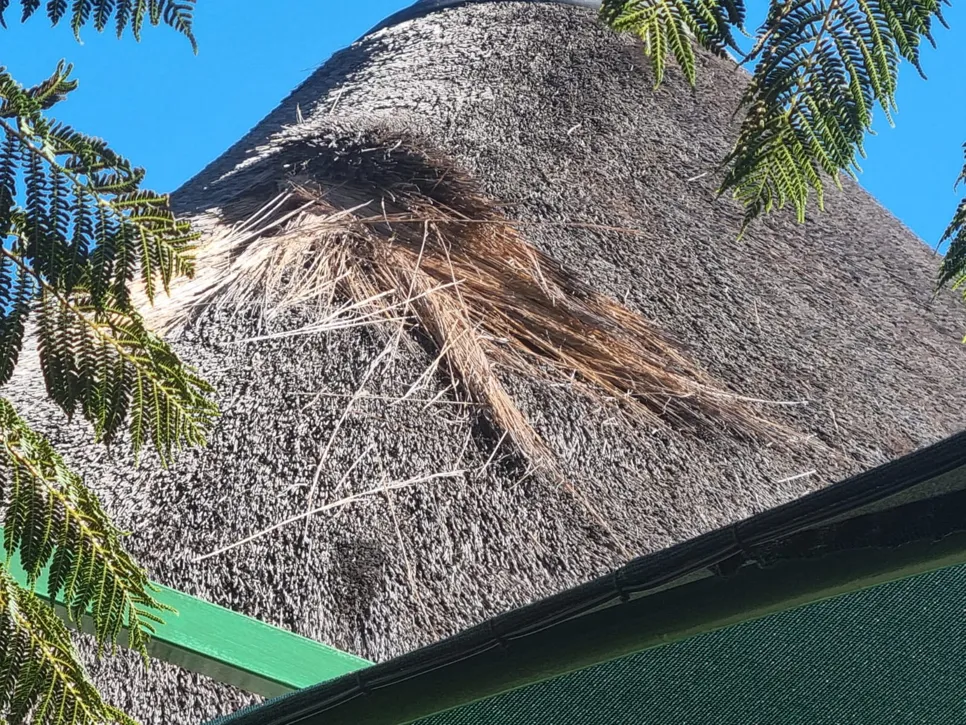
1. Simple DIY patch-up
For small holes or thinning spots, you can attempt a temporary fix yourself. Here’s how:
- Gather materials: You’ll need replacement thatch reeds, a thatching needle, wire or twine, and a ladder.
- Remove damaged sections: Gently pull out or trim any rotten reeds so you’re working with stable thatch.
- Insert fresh thatch: Position new reeds in place and secure them with wire or twine, using the thatching needle for a tight fit.
- Bundle and trim: Check that your patch aligns with the existing thatch. If any new reeds stick out, trim them to match.
Tip: Wear gloves and be cautious on your ladder. Going too deep or missing out on hidden rot can leave you back at square one.
2. Rethatching sections
Extensive roof damage often means fully replacing larger portions. Professionals typically remove compromised thatch, then layer fresh reeds following a specific thatching pattern. This approach restores the strength and insulating properties of your roof, avoiding further water damage risk. Additional costs come from materials and labour, but it’s a surefire route for major damage.
3. Applying a protective cap
For older thatch still in decent shape overall, adding a protective layer or ridge cap to the top can help reduce water penetration. This step involves carefully installing wire mesh or pre-formed thatch ridges to bolster the roof’s topmost section, directing rain away more efficiently.
4. Regular cleaning and maintenance
Proper upkeep means checking your thatched roof at least yearly. Remove debris and moss from the surface, trim overhanging branches that might rub the roof edge, and conduct a quick re-fixing of loose reeds. This routine helps prevent the buildup of moisture, protecting the overall roof integrity.
When to call a professional thatcher
- Large patches of rotting thatch or rotten support beams
- Structural concerns, such as sagging rooflines
- Complex issues with layering or capping that exceeds your experience
- Significant bird or pest infestation in the thatch
- When you require an expert assessment and full resurfacing estimate
Bringing in a professional ensures that you get a high-quality job using expert skills, advanced tools, and often a warranty. They can handle complex tasks, from comprehensive rethatching to ensuring proper ventilation and weatherproofing.